
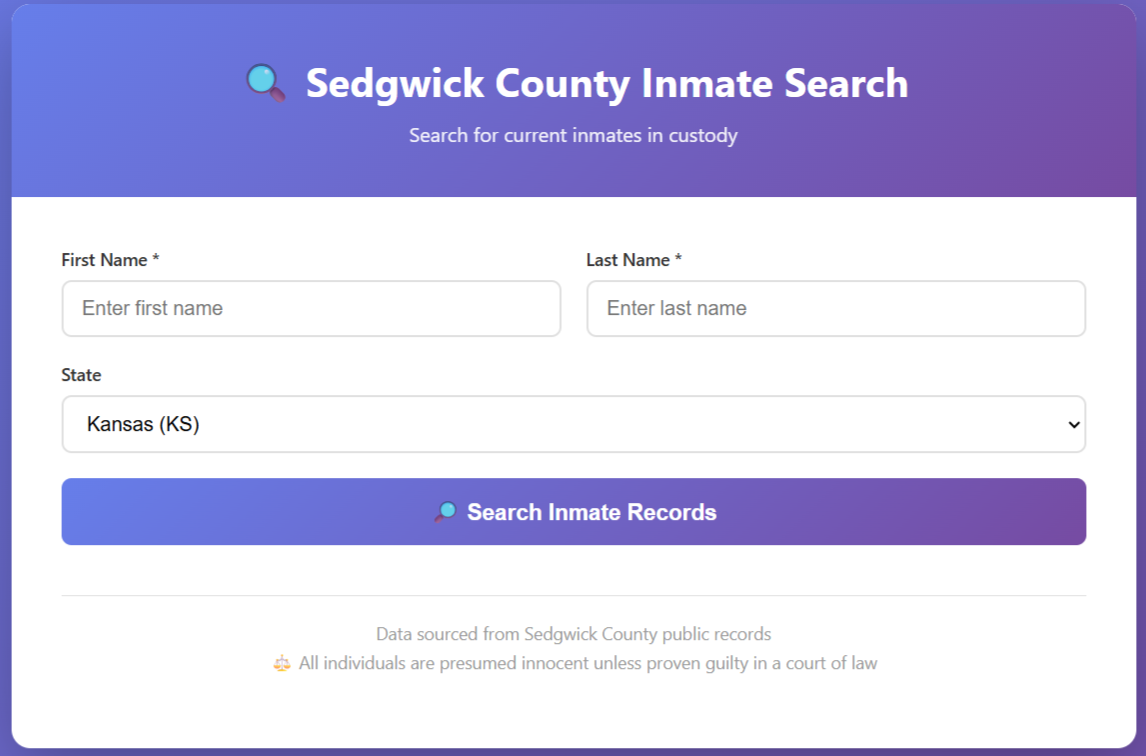
Sedgwick County Court Docket Search
When you need to look up court information in Sedgwick County, it’s not always easy to know where to begin. Whether you’re trying to check a court date, see case progress, or just want more details about a legal matter, the Sedgwick County Court Docket Search is a powerful tool that can simplify the process.
In this guide, we’ll walk you through everything you need to know—what the court docket system is, how to use it, and why it’s valuable for residents, attorneys, and even curious minds.
What Is a Court Docket?
Let’s start from the beginning. A court docket is basically a calendar of all the legal cases scheduled to take place in court. Think of it like a planner for the court system—it includes dates, times, names of parties involved (like the defendant and plaintiff), charges, and the judge assigned to the case.
The Sedgwick County Court Docket Search allows people to access this court calendar online. So instead of calling the courthouse or driving there, you can search from your laptop or smartphone anytime—super convenient, right?
Why Would Someone Use the Sedgwick County Court Docket Search?
You might wonder—“Why would I need to look up a court docket?”
Here are some common reasons people use the Sedgwick County Court Docket Search:
- To check the status of a case: This is helpful if you or someone you know has a pending court matter.
- To confirm hearing dates and times: Never miss a court appearance again!
- For research purposes: Students, journalists, or researchers might want info on local legal trends.
- To stay informed: If something legal is happening in your neighborhood (like a high-profile case), you can stay in the loop.
Say you’re helping a friend gather legal documents post-divorce. You can use the docket search to find relevant court information in a matter of minutes—no waiting, no fax machines, no hassle.
Who Can Access This Information?
Good news—most court dockets are public records. That means anyone can view them. The whole idea behind public records is transparency. People should be able to see what’s happening in their justice system.
That said, certain sensitive details—like juvenile records or victim names in some cases—might be hidden due to privacy concerns. But for everyday civil cases or criminal hearings, most information is easily accessible through the Sedgwick County Court Docket Search.
How to Access the Sedgwick County Court Docket Search
Using the online docket search is surprisingly simple. Here’s a step-by-step guide to help you get started:
- Step 1: Visit the official Sedgwick County website. Search for “Sedgwick County court docket” in your browser—it’s usually one of the top results.
- Step 2: Choose your search method. You can search by case number, last name, or even the hearing date range.
- Step 3: Enter your details and click ‘Search’. That’s it! The results will show up on your screen, complete with links to more information.
It’s a user-friendly system. Even if you’re not super comfortable with technology, you’ll find the interface straightforward and intuitive.
Tips for a Successful Search
To get the best results from the Sedgwick County Court Docket Search, keep a few things in mind:
- Use accurate spellings: Typos in names can lead you astray. Double-check everything you type in.
- Try different dates: If you’re not sure when a hearing is scheduled, search by a range of dates rather than a single day.
- Make use of filters: Some searches offer filters by court type—civil, criminal, probate, and so on. Use these to narrow results.
Think of the search like using a flashlight in a dark room—the more directed your light (or search terms), the easier it is to find what you’re looking for.
What Information Can You Find?
When you search a docket entry, here’s the kind of information you’ll typically see:
- Case number – A unique ID for the legal case.
- Names of people involved – Including defendants, plaintiffs, attorneys, and judges.
- Hearing dates and times – Never miss a proceeding again.
- Case type – Whether it’s civil, criminal, family law, etc.
Let’s say your coworker was summoned for jury duty and wants to know what type of case they’re assigned to observe. By entering the date and courtroom, they can quickly find the case on the Sedgwick County Court Docket Search and get a better understanding of what’s ahead.
Common Limitations to Be Aware Of
While the online system is helpful, it’s not perfect. Here are a few things to keep in mind:
- Not all cases are listed online: Some older cases or restricted ones may not show up in a search.
- Exactly what’s shown may vary: You might not see evidence lists or full court orders—those often require a record request.
- Search tools may sometimes be down: Like any website, the court’s system might experience outages or updates.
If you can’t find something online, don’t panic. Call the courthouse directly. A clerk may be able to point you in the right direction or help you access what you need.
Benefits of Using Online Docket Searches
So why does an online docket search beat calling or going in person? For one, it saves time. In our fast-paced lives, convenience is everything.
Other perks include:
- 24/7 access: Need info on a weekend or late at night? No problem.
- Stay organized: Track your legal matters without piles of paperwork.
- Reduces courthouse traffic: Fewer people in line means better service for when you do have to go in person.
Plus, it empowers everyday people, like you and me, to be more involved in the legal system. Knowledge is power, after all.
Can You Access Dockets from Other Counties in Kansas?
Yes! While this guide focuses on the Sedgwick County Court Docket Search, many counties across Kansas offer similar tools. Some counties use the same statewide system, while others have unique platforms.
So, if you’re looking for records from Johnson, Shawnee, or Wyandotte counties, you can often perform a separate search, depending on their local portal. Always start with that county’s court website for the most direct route.
Understanding Legal Terminology
Legal documents and dockets can be confusing if you’re not familiar with some of the language. Here’s a quick cheat sheet:
- Defendant: The person being accused or sued.
- Plaintiff: The person bringing the lawsuit.
- Motion: A formal request made to the court.
- Disposition: The final decision or outcome of a case.
Kind of like learning a new sport, once you understand the terminology, following along becomes easier. You don’t need to be a lawyer to grasp the basics.
Final Thoughts: Why the Sedgwick County Court Docket Search Matters
At the end of the day, the Sedgwick County Court Docket Search is more than just a tool—it’s a window into the local justice system. It keeps citizens informed, supports legal professionals, and helps everyday people access the information they need.
Whether you’re dealing with a court date yourself or just want to stay in the loop about what’s going on in your community, this online portal is one of the easiest and fastest ways to stay connected.
And remember—don’t be afraid to explore it! The site is designed for the public, so it’s okay to take your time, poke around, and get familiar with it.