
Understanding a Sedgwick County Warrant: What You Need to Know
When you hear the term Sedgwick County Warrant, it might sound a bit intimidating. Maybe you’ve gotten a letter or someone you know mentioned it in passing. Whether you’re curious or directly affected, knowing how this process works can help you feel more in control—even in a stressful situation. In this guide, we’ll break everything down in plain language.
What Is a Sedgwick County Warrant?
At its core, a Sedgwick County Warrant is an official legal document. It’s usually issued by a judge and gives law enforcement permission to take a specific action. This action can include arresting someone, searching a property, or seizing certain items as part of an investigation.
There are different types of warrants, but in Sedgwick County, arrest warrants are among the most common. These can be issued for many reasons—missing a court date, failing to pay fines, or being suspected of a crime.
Think of a warrant like a permission slip—but one you definitely don’t want.
Why Warrants Are Issued in Sedgwick County
Ever wonder why some people end up with warrants while others don’t? Oftentimes, warrants are issued when someone has:
That might sound harsh, but remember, the goal here is to ensure people follow the law and show up for required court proceedings.
How to Know If There’s a Warrant Out for You
Here’s something many folks ask: “How do I check for a Sedgwick County Warrant?” Luckily, the process isn’t as complicated as you might think.
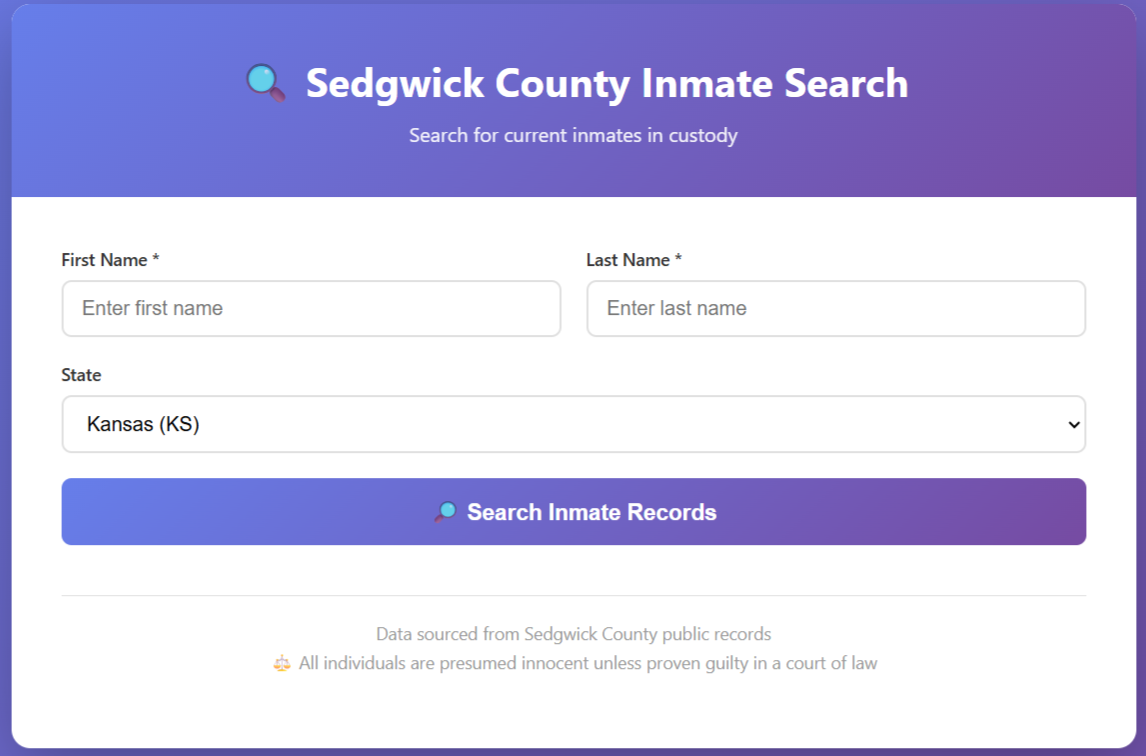
Sedgwick County provides online resources where you can check for active warrants. Just visit the Sedgwick County Sheriff’s Office website, where they maintain a searchable database. You’ll usually need basic identification details, like your name or date of birth.
You can also contact the court clerk’s office for more information. While it might feel nerve-wracking to call, knowing your status can help you take the right steps forward.
Types of Warrants in Sedgwick County
All warrants aren’t created equal. In Sedgwick County, here are some you might come across:
Knowing the type of warrant helps you understand what the next steps may be. For instance, a bench warrant often means you need to appear before a judge—ASAP.
What Happens After a Warrant Is Issued?
So, let’s say for a moment that there’s a Sedgwick County Warrant with your name on it. What’s next?
First, law enforcement may try to locate and arrest you. This could happen during a traffic stop or even at your home. Imagine one minute you’re heading to work, and the next, you’re being informed there’s a warrant against you. Not fun.
Sometimes, especially if the offense is non-violent, you may be allowed to turn yourself in. This can actually work in your favor—showing responsibility often helps when you eventually go before a judge.
Can You Handle a Warrant Without Getting Arrested?
Believe it or not, not all warrants mean immediate jail time. If you address the warrant quickly, you may be able to avoid arrest.
One option is to work with a lawyer. An experienced criminal defense attorney can walk you through your options, sometimes even represent you in court so you don’t have to face it alone.
In some instances, you may also be able to pay a fine or schedule a new court date. This gives you the chance to clear things up before law enforcement takes action.
Clearing a Sedgwick County Warrant
The key to clearing a Sedgwick County Warrant is not to ignore it. The longer a warrant hangs over your head, the more complicated things become. Here’s what you can do:
In my own circle, a friend once thought ignoring a minor traffic ticket wouldn’t lead to much. A few months later, he found out he was the subject of a bench warrant. One call to a local attorney and a court appearance later, the situation was resolved—and he could finally sleep in peace.
What If the Warrant Was Issued by Mistake?
It doesn’t happen often, but yes—errors can occur. Clerical mistakes might result in a Sedgwick County Warrant being issued in error. Perhaps the wrong person is listed, or a payment wasn’t correctly recorded.
In these cases, contacting the court or Sheriff’s Office is essential. You’ll need to provide any documentation that proves the mistake. And if possible, get legal advice to make sure your name is cleared with no lasting damage to your record.
Can an Old Warrant Still Affect You?
Yes—and in more ways than one. Even years-old warrants can rear their heads during:
Having an unresolved warrant on your record could potentially block life opportunities. That’s why it’s crucial to take action—even if it’s been a while.
What About Out-of-County or Out-of-State Warrants?
Let’s say you’re living in another state but discover you have a Sedgwick County Warrant. What now?
Typically, jurisdictions work together to bring individuals to court, especially in serious cases. However, if the original offense is minor, authorities may not pursue extradition. Still, the warrant stays active in the system.
It’s best to consult with legal experts in the county where the warrant was issued. They can help you figure out the proper steps, even if you’re living hundreds of miles away.
How to Prevent Warrants in the Future
Nobody wants to repeat a mistake, especially one involving the law. Here are some preventive steps:
By staying on top of legal matters, you reduce the risk of dealing with a Sedgwick County Warrant in the future.
Final Thoughts: Taking Control of the Situation
Facing a warrant can feel overwhelming, especially when you don’t know exactly what it means or what steps to take. But now that you have a better understanding of the Sedgwick County Warrant system, you can take action instead of reacting in fear.
Remember, legal problems don’t fix themselves. Getting ahead of them—by checking warrant status, seeking legal help, and showing up when required—shows maturity and responsibility. And if mistakes led to the warrant, owning them and making it right can offer both legal and emotional relief.
Whatever your situation, the key takeaway is simple: knowledge is power, and you’re now better equipped to handle or avoid any issues involving a Sedgwick County Warrant.
Helpful Resources
Here are a few useful resources if you want to learn more or check your status: