
Understanding Sedgwick County Inmate Information: A Simple Guide
If you’ve ever needed to look up a Sedgwick County inmate or wondered how the jail system works in that area, you’re not alone. Whether you’re trying to check on someone, stay informed, or are just curious about how things operate inside a county jail, this guide is here to help you out.
Inmates are often held at the Sedgwick County Jail for a variety of reasons, from awaiting trial to serving short sentences. Learning how to access the details about them may sound complicated, but it’s not as hard as it seems. We’ll walk you through what you need to know, using easy language and helpful examples along the way.
What Is the Sedgwick County Jail?
The Sedgwick County Jail, located in Wichita, Kansas, is operated by the Sedgwick County Sheriff’s Office. It serves as a holding and detention facility for adults—those arrested in Sedgwick County or transferred from other jurisdictions for court proceedings.
This jail isn’t just a single room filled with people. It’s a large, organized facility that handles hundreds of inmates at a given time. Some inmates are there for a few days, others might be held for much longer depending on legal proceedings. The facility is designed to maintain safety, security, and good order.
How to Find a Sedgwick County Inmate
So, let’s say you want to look up a Sedgwick County inmate. But how do you actually do that?
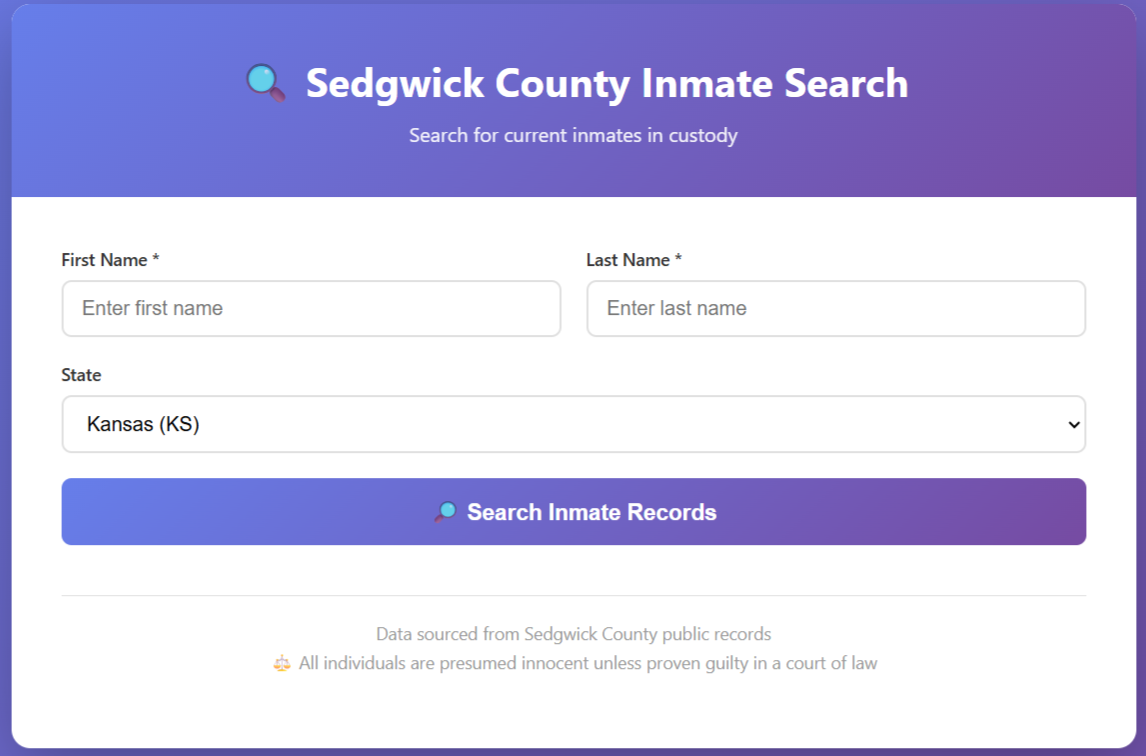
The most straightforward method is to use the online inmate search tool provided by the Sedgwick County Sheriff’s Office. It’s like using a phonebook—just digital. Here’s how it works:
Once you’ve entered the information, the system will show a list of possible matches. You’ll see details like mugshots, charges, bond amounts, and booking dates.
It’s especially useful if a friend or family member has been newly arrested and you want to check on them. The tool updates regularly, so the information stays current.
What Info Can You Find on a Sedgwick County Inmate?
When you successfully find someone using the online search tool, the amount of information provided may surprise you—in a good way! You can usually find:
All of this can help you stay informed. Whether you’re a concerned friend, a legal professional, or simply curious, the transparency helps promote accountability within the system.
Reaching Out to a Sedgwick County Inmate
Want to send a message or talk to someone inside? Communication between inmates and the outside world is tightly controlled for safety—both for the inmates and the public. But it’s not impossible.
Here are a few standard options:
While these may not feel the same as talking face-to-face, they offer a reliable way to maintain vital family and legal connections.
Understanding Bail and Bond for Sedgwick County Inmates
Ever hear phrases like “he posted bail” or “she’s out on bond” and wonder, what does that really mean?
Let’s break it down. Bail is a set amount of money someone pays to be released from jail while they wait for their court date. Bond is a form of financial guarantee—often through a bail bondsman—that ensures the person will come back for court.
In Sedgwick County, bond amounts can be checked using the same inmate search tool. If the bond is too high (and it often is), the inmate’s family might use a bail bonds service, which typically charges 10% of the total amount.
Example: If John Doe has a $10,000 bond, a bondsman might charge his family $1,000 to get him out, with the understanding that John returns to court as scheduled.
Why Someone Might Be Held in Jail Longer
Not every inmate gets out right away. Some people stay in jail longer because:
Being held longer doesn’t always mean the person is guilty; it often reflects how the justice system processes cases. Many people are still considered innocent while they wait for their day in court.
Checking Court Dates and Legal Status
Need to know when someone’s next court date is? This is another detail you’ll often find in the Sedgwick County inmate listing. The schedule can help families arrange legal representation or simply stay informed.
If the court date isn’t listed directly, you may be able to find it through Sedgwick County’s public court records online. Or you can call the jail directly for further assistance.
What Happens After Release?
When a Sedgwick County inmate is released, they might face ongoing legal obligations. This can include probation, counseling, or court check-ins.
Reentry programs also exist to help former inmates find employment, housing, and community support. These services are critical—especially for those who want to turn their life around and avoid returning to jail.
Example: Let’s say Jane Doe is released after serving a six-month sentence. She might join a community job readiness program that helps cover the gap between jail life and normal life.
Tips for Family and Friends
Having a loved one locked up is never easy. It’s emotional, stressful, and confusing. But knowing how to find a Sedgwick County inmate, how to reach them, and what comes next can help ease the process.
Here are a few helpful tips:
Having a loved one in jail doesn’t mean you’re helpless. Small actions make a big difference.
Can You Visit a Sedgwick County Inmate?
Yes, but be prepared to follow some pretty specific rules. Visitation hours are limited, and you may need to register in advance. Don’t forget:
Some visits are face-to-face (but through glass), while others are done via video monitor.
Note: With COVID-19 and other safety concerns, policies can change quickly. Always check the jail’s website before planning your trip.
Final Thoughts: Why It Matters
Understanding how to navigate the Sedgwick County inmate system isn’t just helpful—it empowers you. Knowing where someone is, how long they’ll be there, and what support is available can provide peace of mind in uncertain times.
Whether you’re a loved one, legal advocate, or just curious, this information helps bridge the gap between behind bars and everyday life. By educating yourself, you’re better prepared to handle what comes next—with clarity and compassion.
Remember: Every inmate is more than a case number. They are someone’s parent, child, friend, or neighbor. A little understanding goes a long way.