
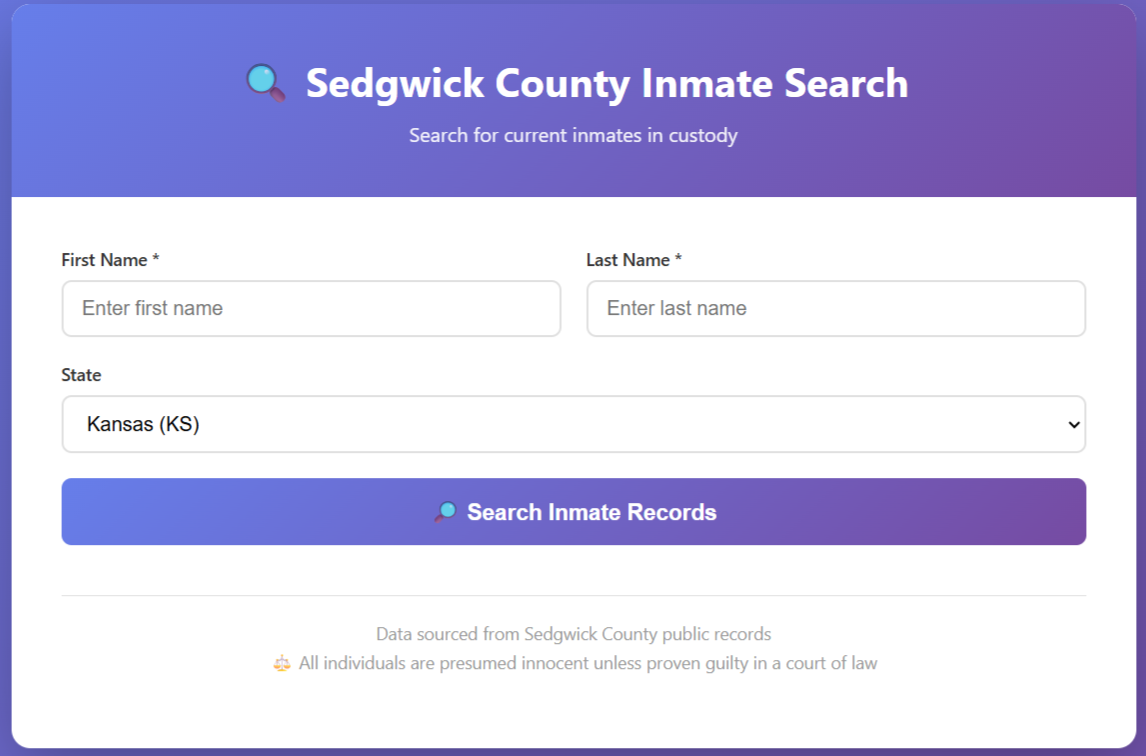
Sedgwick County Court Records
If you’ve ever needed information about a legal case in Sedgwick County, Kansas, you’re not alone. Whether it’s for personal reasons, legal purposes, or just simple curiosity, understanding how to access Sedgwick County court records can save you a lot of time and hassle. In today’s digital world, it’s easier than ever to find public records—but knowing where to start can still be tricky.
Let’s break it all down so it’s easier to understand. In this blog, we’ll walk you through what court records are, why they matter, and how you can find them in Sedgwick County. Whether you’re a resident, researcher, or just someone curious about background checks, you’ll find helpful tips right here.
What Are Court Records?
Before diving into how to find Sedgwick County court records, let’s talk about what court records actually are. Simply put, court records are official documents created during a legal case. They can include everything from criminal and civil filings to family court matters and probate cases.
Think of court records as a paper trail that tells the story of a legal case. For example, if someone is charged with a crime, the court record would show the charges, court dates, outcomes, and any fines or jail time ordered by the judge.
These documents can contain a lot of important info, including:
- Case numbers
- Names of parties involved
- Filing dates
- Judge’s decisions and orders
- Final verdicts or settlements
So if you’re hunting for specifics about a case in Sedgwick County, this is the place to look.
Why People Search for Sedgwick County Court Records
You might be wondering, “Why would anyone want to look up court records?” Great question! People look into Sedgwick County court records for all sorts of reasons.
- Background Checks: Employers or landlords often want to make sure a potential employee or tenant doesn’t have a criminal history.
- Legal Research: Attorneys, journalists, or even students may look up previous cases to support their legal work or reports.
- Family Matters: If you’re dealing with custody battles, divorce proceedings, or inheritance issues, family court records can be essential.
- Real Estate Transactions: Some property decisions depend on probate or civil court rulings.
- Personal Curiosity: We get it—sometimes, you just want to know!
Understanding court records can make legal language a little more accessible. Plus, anyone can access many of these records since they’re public by law, unless they’re sealed for privacy.
Where to Access Sedgwick County Court Records
So, how does someone actually find these records? Good news: You don’t need to hike down to the courthouse every time. Thanks to technology, finding Sedgwick County court records is easier than ever.
Here are your go-to options:
- Online Access via Kansas District Court Public Access Portal: This is probably your quickest option. Visit the official website of the Kansas Judicial Branch and head over to their court records search tool.
- Visit the Sedgwick County Courthouse: If you prefer the old-fashioned way or need something very specific, you can go in person. The courthouse is located in Wichita. Staff there can guide you to physical files or terminals.
- Mail-in Requests: Some records can be requested by mail, especially certified copies or more sensitive documents. Make sure you include details like case number, full names, and dates.
Bear in mind, some records might be restricted. Juvenile cases, adoptions, and sealed files aren’t accessible to the general public. But most civil and criminal cases are just a few clicks away.
How to Search for Sedgwick County Court Records Online
Let’s take a walk through how an online search might work. You’ll want to start by visiting the Kansas District Court Public Access portal. From there, you’ll usually be asked to enter one or more of the following:
- Names: First and last name of the person involved in the case.
- Case number: If you have it, this can narrow the search down fast.
- Date range: If you know when the case happened, this helps filter the results.
Once you run your search, you’ll get a list of matches. Click on any match, and you’ll find details like court dates, types of charges, when documents were filed, and outcomes.
Just a heads-up—some documents may not be downloadable or viewable online. In those cases, you may need to contact the court clerk to request a physical or scanned copy.
Types of Court Records You Can Find
When you’re searching for Sedgwick County court records, knowing what kind of case you’re looking for can help. Here’s a quick overview of the major types of cases included in court records:
- Criminal Records: These involve cases where someone has been charged with a crime—from petty theft to serious offenses.
- Civil Cases: Includes personal disputes like lawsuits, contract issues, or small claims.
- Family Court Records: Everything from divorce to child custody battles falls in this category.
- Probate Records: Deals with wills, estates, and guardianship requests after someone passes away.
- Traffic Violations: Includes citations for speeding, DUIs, or other driving infractions.
Knowing which category your search falls under helps you use the right filters and locate the records faster.
Are There Fees to Access Court Records?
Usually, just browsing Sedgwick County court records online is free. But if you need physical copies or certified documents, there might be a fee. For example:
- Certified copies: You may need these if you’re using court documents for legal or official purposes.
- Printing and mail requests: There’s often a small cost for printing or mailing, depending on how many pages you need.
- Subscription services: Some third-party websites may charge users for access or convenience tools.
It’s worth double-checking pricing with the court clerk if you’re unsure. A quick call or email can give you clarity before you commit.
Tips for a Successful Court Records Search
Searching Sedgwick County court records doesn’t have to be a maze. These quick tips might help things go more smoothly:
- Be accurate: Double-check spellings, especially unusual names. Even one typo can mess up your search.
- Use full names: Using full legal names instead of nicknames helps narrow things down.
- Have some details ready: Knowing the type of case—civil, criminal, probate—can cut your search time.
- Call the clerk: If you hit a dead end, don’t hesitate to reach out to the Sedgwick County Clerk’s Office for help.
Remember, patience pays off. Court records might be missing some info or delayed in uploading—especially with older cases.
Privacy and Court Records—What’s Off-Limits?
Not all court records are wide open to the public. Some filings are kept private to protect personal data or sensitive matters. Here are examples of what you likely won’t find:
- Juvenile court proceedings
- Adoption records
- Certain mental health case files
- Sealed records by court request
So if you try to search for those types of cases, don’t be surprised if the system shows no results. This isn’t a glitch; it’s just the system protecting privacy.
Real-Life Example: Researching a Case
Let’s say you’re hiring a contractor and want to make sure they’ve never been sued for bad work. You hop on the Kansas Judicial Branch site, search their name, and boom—you find a civil case from three years ago where they were taken to court by a homeowner in Sedgwick County for breach of contract.
Suddenly, you’ve got valuable insight to make an informed choice. Court records aren’t just lists of dates and names—they help people make smarter decisions.
Final Thoughts: Why Sedgwick County Court Records Matter
Whether it’s for peace of mind, legal backup, or professional use, accessing Sedgwick County court records gives you a window into real-life legal events. These documents can be helpful, eye-opening, and even empowering. And the best part? Most of the time, they’re at your fingertips.
Don’t be intimidated by the process. With user-friendly websites and a patient approach, anyone can confidently dig into court records. Just remember to respect privacy rules and double-check your details before diving in.
Need to get started? Head to the Kansas Judicial Branch’s website or give the courthouse a call. Your answers might be just a few clicks away.
References: