
Understanding the Sedgwick County Court System: What You Need to Know
If you’ve ever had to deal with a legal issue in Sedgwick County, Kansas, you’ve probably come across the name “Sedgwick County Court.” Whether it’s from a speeding ticket, small claims case, or even jury duty, this court plays a big role in the lives of local residents. But what exactly is the Sedgwick County Court, and how does it work?
Let’s break it down in plain English, and walk you through what to expect if you ever have to visit—or even just learn about—this important institution.
What Is Sedgwick County Court?
The Sedgwick County Court is part of the larger judicial system in Kansas. It’s where many legal matters are handled at the county level, including both criminal and civil cases. Think of it like your community’s front line for justice. People come here for all kinds of issues—from divorces and child custody cases to traffic violations and small business disputes.
If you live in or around Wichita, this court is most likely the one you’d deal with if a legal issue arises. Even if you haven’t interacted directly with the court, it works behind the scenes every day to keep law and order functioning locally.
The Different Types of Cases Handled
So, what kind of cases does Sedgwick County Court handle? Here are the main categories:
- Criminal cases: These can range from minor misdemeanors to more serious felonies.
- Civil cases: This includes things like property disputes, small claims, and breaches of contract.
- Family law: Matters like divorce, child custody, and child support decisions are made here.
- Traffic violations: Got a speeding ticket? It likely goes through the county court.
- Probate court: Handles wills and estates following the death of a person.
In other words, if there’s a legal disagreement or need for official court decisions, Sedgwick County Court is the place to go.
Where Is the Court Located?
The Sedgwick County Court is located in downtown Wichita at the Sedgwick County Courthouse. It’s a large building with multiple courtrooms and offices, and it serves as the hub for a variety of legal functions in the area.
If you’re headed there, it’s a good idea to plan ahead. Parking in downtown Wichita can be tricky during busy hours. Try arriving early, especially if you’ve been summoned for jury duty or need to appear in court.
How Does the Court Process Work?
Going to court can feel intimidating, but understanding how it works makes things way easier. Here’s a basic breakdown:
- Step 1: Filing a case – This is when someone submits the initial paperwork to start a legal process.
- Step 2: Serving papers – The person being sued or charged is officially notified.
- Step 3: Court hearings – This is when both sides share their side of the story before a judge or jury.
- Step 4: Final decision – The judge (or jury, in some cases) makes a ruling based on the evidence.
Of course, each case is a little different, but this is the general flow you can expect when dealing with the Sedgwick County Court system.
Meet the People Behind the Court
Courts aren’t just buildings—they’re run by people just like you and me. From judges and clerks to security and public defenders, here are the key players:
- Judges: The folks who make the final decisions in court cases.
- Clerks: Handle all the paperwork and records. They’re the ones you usually deal with first for filings.
- Bailiffs: Keep the courtroom secure and help maintain order during trials.
- Prosecutors and public defenders: Represent the government’s side and the defendant’s side in criminal cases respectively.
Each of these roles is crucial to making sure the Sedgwick County Court functions smoothly and fairly.
How to Prepare for Your Court Appearance
Let’s say you have a court date coming up. What should you do?
First off, don’t panic. Most court appearances are straightforward if you’re prepared. Here’s what you can do:
- Dress neatly: First impressions matter. Avoid wearing shorts, hats, or overly casual clothes.
- Arrive early: Court proceedings can begin at specific times with multiple cases scheduled. Being there early helps you avoid delays.
- Bring your paperwork: Whether it’s a citation, summons, or legal forms, keep them handy.
- Speak clearly and respectfully: Judges and clerks appreciate people who stay polite and stick to the facts.
A friend once forgot his papers and had to reschedule his court case, costing him both time and extra fees. So double-check everything before you go.
Can You Represent Yourself?
You probably wonder, “Can I skip hiring a lawyer?” Well, yes—you can represent yourself. This is called being a pro se litigant.
It’s possible, especially for minor civil cases or traffic tickets. But it’s not always the best idea. Court rules, paperwork, and courtroom procedures can be confusing if you’re not trained in the law. Hiring a lawyer might cost more up front, but it could save you frustration—or even bigger costs—later on.
That said, the Sedgwick County Court offers helpful resources for people representing themselves, including informational packets and access to legal forms online.
Paying Fines and Fees
Let’s talk money. If you owe fines after a court case—say, from a traffic ticket—how do you pay them?
Fortunately, the Sedgwick County Court has made it pretty convenient. You can usually pay:
- In person: At the courthouse cashier’s office.
- Online: Through the county court’s official website.
- By mail: Sending a check or money order to the address they provide.
Just make sure you pay before the due date. Missed payments can lead to extra fees—or even a suspension of your license in some cases.
Jury Duty: What to Expect
Ah, jury duty—most people don’t exactly look forward to it. But it’s one of the most important civic duties in our country. When you’re called for jury service at the Sedgwick County Court, you’ll get a letter in the mail with the date and instructions.
Here’s what usually happens:
- You’ll attend an orientation where they explain how everything works.
- You might be selected for a jury after being asked a few unbiased questions.
- If selected, you’ll take part in helping decide a case verdict.
Serving on a jury can be eye-opening. You get a front-row seat in the legal system and take part in the democratic process. And yes, you usually get a small payment for your time.
Special Programs You Should Know About
The Sedgwick County Court isn’t just about trials and fines. It also offers several community-focused programs, such as:
- Drug court: For people with addiction issues, offering rehabilitation over jail time.
- Mediation services: An alternative to going to court for resolving disputes.
- Juvenile court reform: Focuses on helping rather than punishing young offenders.
These programs aim to solve root problems and reduce repeat offenses, helping to build a healthier community in the process.
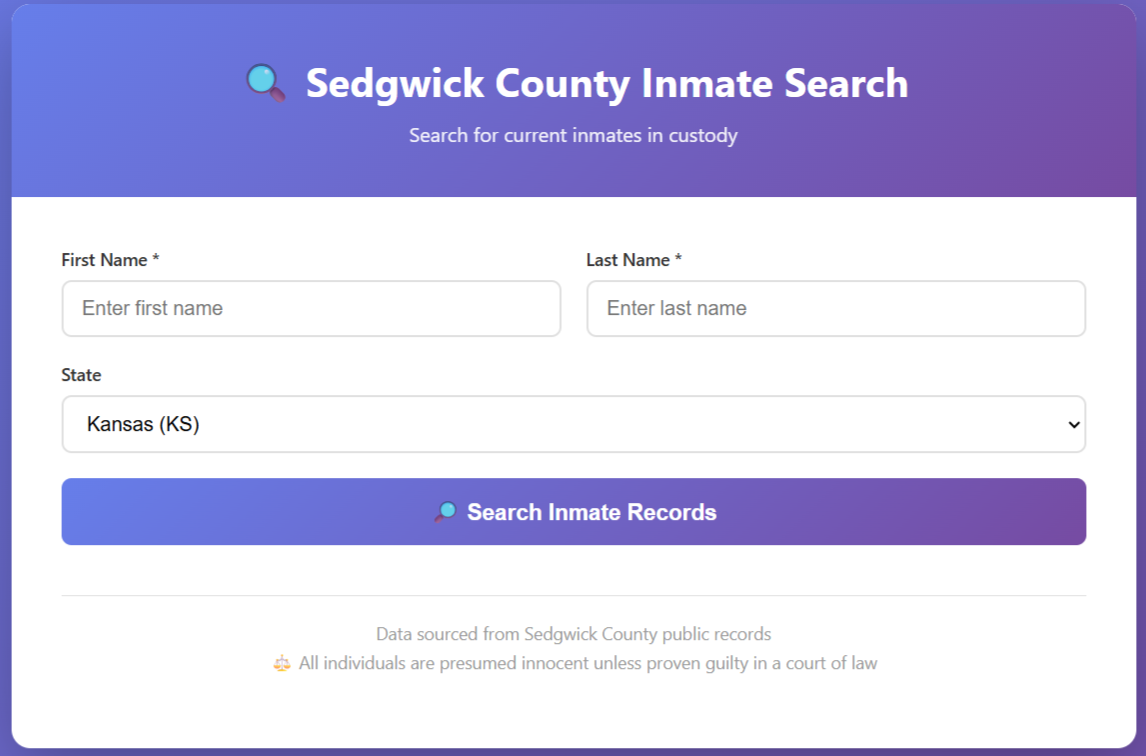
How to Look Up Court Records
Need to find out the status of a case? Or maybe confirm a court date? The Sedgwick County Court provides access to public records both online and in-person at the courthouse.
Just keep in mind that not every case is public—things like juvenile cases or certain sensitive matters may be sealed.
Why the Sedgwick County Court Matters
At the end of the day, the Sedgwick County Court isn’t just a place where problems are dealt with—it’s a vital part of our local justice system. It plays a key role in ensuring fairness, resolving disputes, and protecting the rights of every citizen.
When it runs well, the community benefits. And yes, while going to court might seem complex, the process is designed to be understandable, transparent, and just.
So whether you’re responding to a traffic ticket, participating in jury duty, or just curious about how it all works, understanding the Sedgwick County Court helps you stay informed and prepared.
Wrapping Up: Know Your Court, Know Your Community
Being informed about how the Sedgwick County Court works can make a huge difference, especially if you find yourself needing legal answers. From criminal cases to family matters, this court touches the lives of many in our county.
So next time you see “Sedgwick County Court” on a document or in the news, you’ll know exactly what they’re talking about—and maybe even share that information with family and friends.
Here’s to staying informed and engaged in our local community!
References: